

Overview
- Meningococcal disease is a rare but life-threatening illness. It is caused by bacteria that infect the blood, brain, and spinal cord. It is one of the most serious causes of meningitis.
- The disease is spread from person to person. It is easily spread in crowded settings. You can catch meningitis from a person who looks healthy.
- Even with proper treatment, 10% to 15% of people with meningococcal disease die. Of the people who survive, as many as 20% suffer from some serious complication, such as loss of an arm or leg, brain damage, or permanent hearing loss. Meningitis can cause shock, coma, and death within hours of the first symptom.
- The disease is more likely to occur in older teens and young adults than in most other age groups. If you travel internationally or have certain medical conditions, you may also be at increased risk.
- There are different types of meningococcal bacteria, and vaccines are available for 5 of the most common types: A, B, C, W, and Y. Vaccination is the best way to prevent meningitis.
- International Travel: Meningococcal ACWY vaccination is recommended for certain travelers to the “meningitis belt” of sub-Saharan Africa or for pilgrims to the Hajj or Umrah in Saudi Arabia. International travel is not a risk factor for meningococcal B disease. A travel health specialist can help decide if vaccination is recommended.
Meningococcal Vaccine Schedule
Vaccination is the best way to prevent meningitis. There are two different types of meningococcal vaccine: MenACWY (conjugate), and MenB (serogroup B) vaccines, as well as one combination vaccine, MenABCWY, that may be used when MenACWY and MenB vaccines are both needed. MenACWY is given to preteens and teens at 11 or 12 years old, and a booster dose is needed at 16 years old. Teens and young adults 16–23 years old may also be given MenB. People of all ages with certain medical conditions (particularly those without a properly functioning spleen) should be vaccinated and may need to receive booster doses throughout life. Travelers to certain countries should also get vaccinated.
RESOURCES

Meningococcal: Questions and Answers
Information about the disease and vaccines, from Immunize.org.
Partner Resources
General
Find in-depth information about the disease, including symptoms, diagnosis, treatment, and prevention from CDC.
Two doses of the meningococcal shot called MenACWY are recommended for preteens and teens by doctors as the best way to protect against meningococcal disease. Also available in Spanish.

Questions and answers about the disease and vaccines, plus a meningococcus infographic, from the Vaccine Education Center at the Children’s Hospital of Philadelphia.

Information about meningococcal vaccine and the importance of vaccinating children.
Travel
Access the meningococcal disease chapter of the CDC Yellow Book for travel-associated infections and diseases. This resource is intended for healthcare professionals, but its information is also useful for travelers.
Information for travelers about vaccines they may need, including meningococcal.
 PERSONAL TESTIMONIES
 Ryan Milley
My name is Frankie Milley. This is my story of the needless death of my only child, Ryan, to a vaccine-preventable form of bacterial meningitis.
Read more.Ryan Hokensmith
Ryan Hockensmith, a senior at Penn State majoring in journalism, writes about his three-week battle with meningococcal meningitis.
Read more.Joseph Kepferle
Joseph Kepferle’s father describes the pain of having a healthy college-aged son become ill and die within 24 hours of meningococcal meningitis.
Read more.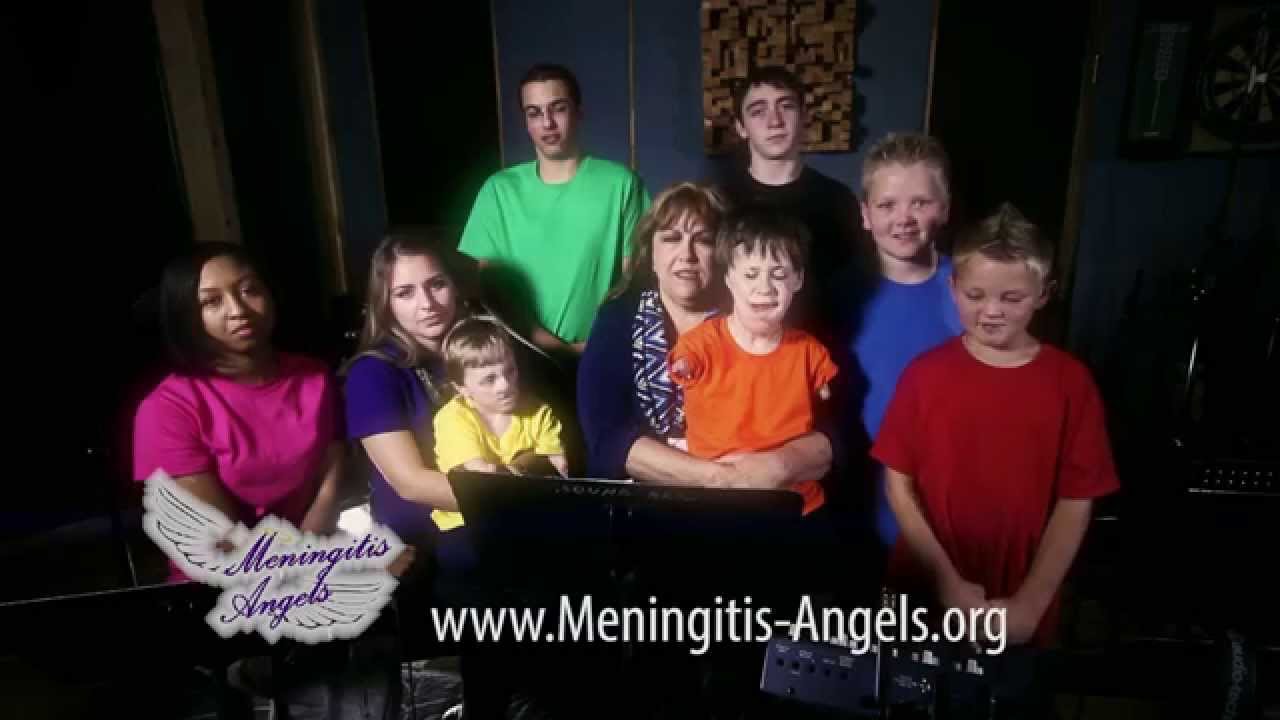
The ABC & Y of Meningitis
All of the kids featured above are meningitis survivors. Between them, they have multible amputations, kidney transplants, learning disabilities, hearing loss, severe anemia and other health problems. All from meningococcal meningitis. All preventable.
People of any age can feel a bit anxious about getting a shot. Some may be so anxious that they avoid vaccination…even when they know it’s important. Learn more about simple ways to help any child or adult feel better and more confident when getting vaccinated.