

Overview
- Rotavirus is the most common cause of severe diarrhea in infants and young children.
- The virus can live on surfaces for months. It spreads when contaminated hands, toys, or other objects touch the mouth.
- Common symptoms of rotavirus disease include high fever, vomiting, and diarrhea. Children often stop eating and drinking and become dehydrated (lose fluids). Around the world, rotavirus kills about a half million infants and young children every year.
- Rotavirus is a very common disease in infants and young children. Almost all unvaccinated children get infected with rotavirus before they are 5 years old. Even if you wash your hands and keep everything really clean, your child can still get infected if not vaccinated.
- Vaccination is the best way to prevent rotavirus.
Rotavirus Vaccine Schedule
You can protect your child from rotavirus with vaccination. All children should get 2 or 3 doses (depending on the brand) of rotavirus vaccine starting at 2 months of age. They should not get any doses after reaching 8 months of age. The vaccine is a liquid that is swallowed.
Partner Resources
Find fact sheets, resources, multimedia, and more for parents and children from CDC. Also see Rotavirus Vaccination: What Everyone Should Know.
Two or more doses of a rotavirus vaccine are recommended for children by doctors as the best way to protect against rotavirus. Learn more about meningococcal and vaccines from CDC. A Spanish-language version is also available.

Questions and answers about rotavirus and vaccines from the Vaccine Education Center at the Children’s Hospital of Philadelphia.
A rotavirus fact sheet and Q&A from the Vaccine Education Center at the Children’s Hospital of Philadelphia. A Spanish-language version is also available.

Information about rotavirus vaccine and the importance of vaccinating children.

About the infection, including signs and symptoms, contagiousness, prevention, incubation, duration, and treatment, from Nemours KidsHealth.
 PERSONAL TESTIMONIES
 Peete Family
Actress Holly Robinson Peete describes her experience as the mother of a toddler with rotavirus infection. While on a family vacation, Holly’s son became extremely ill with profuse vomiting and dehydration.
Read more.Matthys Family
Brooke Matthys describes the painful realization that if only she had taken the time to get her children vaccinated against rotavirus, this ordeal for her family could have been prevented.
Read more.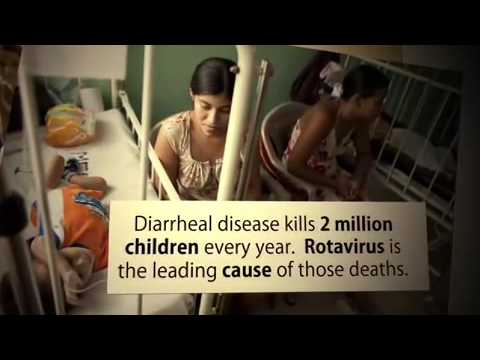
A Vaccine’s Remarkable Impact
Rotavirus kills 2 million children per year worldwide. Its impact hit Nicaraguan children hard. But in 2006, a vaccine came to the villages. And the results are remarkable. Video from the Bill & Melinda Gates Foundation.
People of any age can feel a bit anxious about getting a shot. Some may be so anxious that they avoid vaccination…even when they know it’s important. Learn more about simple ways to help any child or adult feel better and more confident when getting vaccinated.